When a server reaches end of life, businesses generally have two paths: sell or scrap it for parts, or refurbish and redeploy it. Neither is automatically the right answer — it depends on the hardware’s age, condition, and what the business actually needs next.
What refurbishment involves
Refurbishment means cleaning, testing and often upgrading components on a server so it can go back into service — either within the same business for a lower-priority role, or resold to another buyer. It works best on hardware that’s a few years old rather than genuinely obsolete.
What scrapping involves
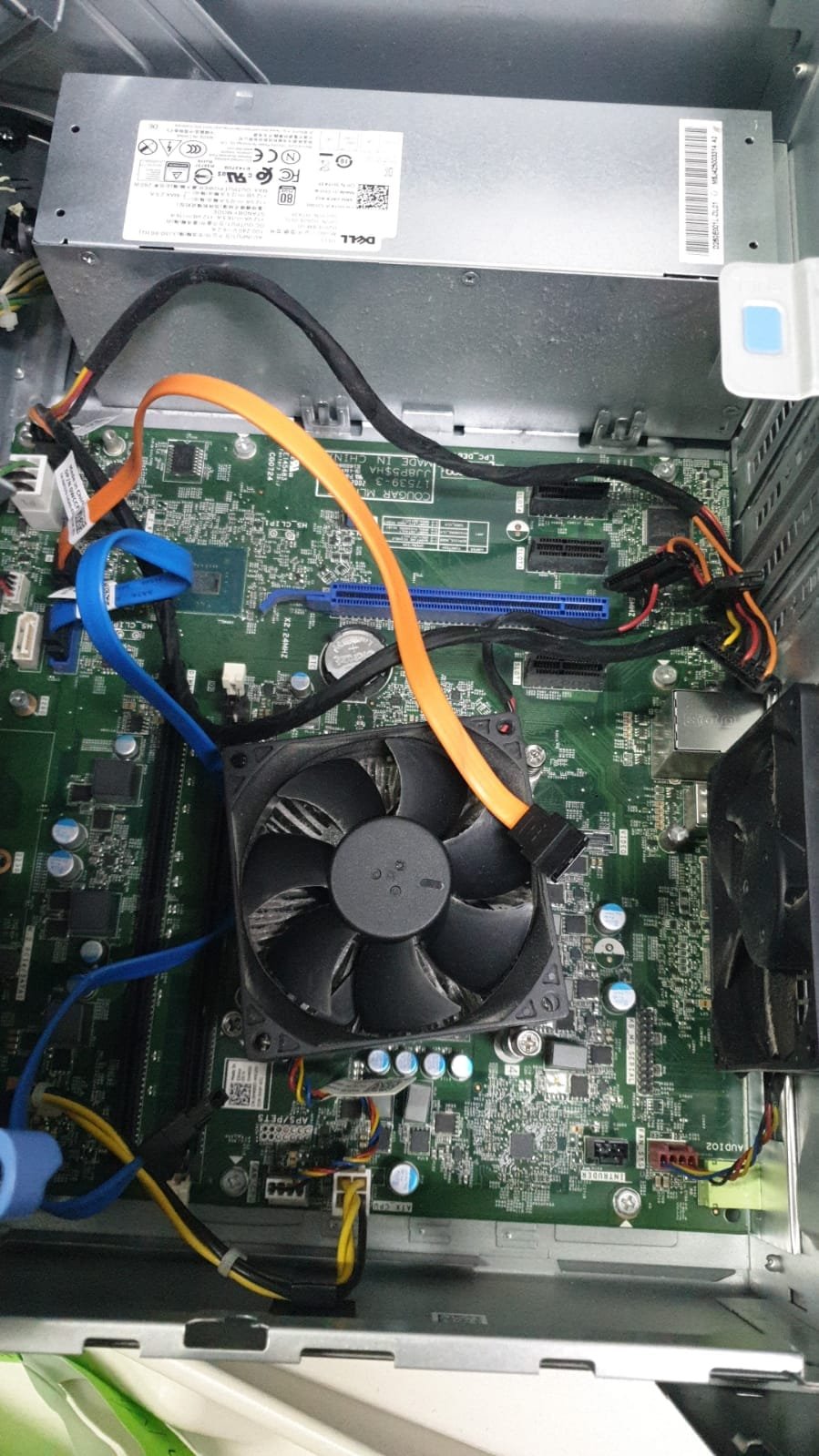
Scrapping means breaking a server down for its individual components — CPUs, RAM, drives, power supplies — and selling or recycling each based on its own value, rather than trying to keep the whole unit functional.
A side-by-side comparison
| Factor | Refurbishment | Scrap |
|---|---|---|
| Best for | Hardware under 5 years old, still broadly supportable | Older or already-failing hardware |
| Upfront effort | Higher — testing, parts, validation | Lower — straightforward teardown and grading |
| Return potential | Can be higher if resold as a working unit | Steady, based on current component market rates |
| Risk | Refurbished unit could still fail in service | None — no ongoing performance expectation |
| Timeline | Slower, depends on finding a buyer or internal use case | Fast — valuation and payout on pickup |
A simple way to decide
- Check the hardware’s age and whether replacement parts are still realistically available.
- Ask whether there’s an internal use case for a lower-spec redeployed server.
- Weigh the time cost of refurbishment against the certainty of a scrap payout.
- If data sensitivity is high, factor in that scrap paired with certified destruction closes the loop faster than redeployment.
Not sure which way to go?
If you’re weighing the two options, send us the specs and age of the hardware on WhatsApp — we can give you a realistic scrap valuation to compare against what refurbishment would likely cost and return.
Frequently asked questions
Do you buy servers for refurbishment, or only scrap?
We primarily buy for component-level scrap and resale, valuing hardware on current market rates rather than refurbishing units ourselves.
Is refurbishment ever cheaper than buying new?
It can be for short-term or lower-priority use cases, but the calculation depends heavily on the specific hardware and available parts.
What if only some components in a server are still good?
That’s normal — component-level grading means you still get fair value for the parts that are usable, even if the whole unit isn’t.